

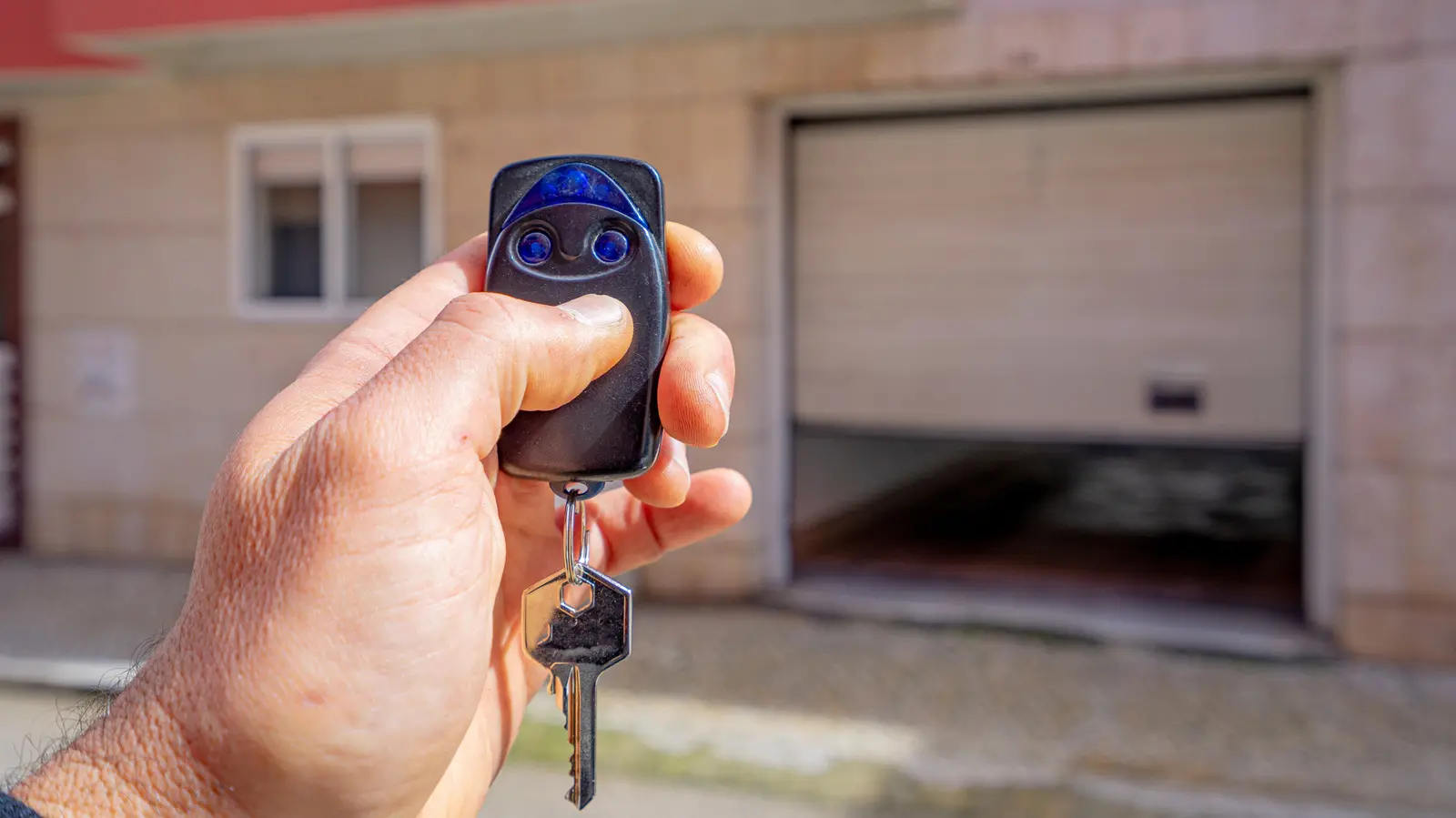
A garage door opener usually works silently in the background. You press a button, the door rises or lowers, and you go on with your day. Because the system operates so smoothly, it is easy to overlook the gradual changes that signal trouble. Recognizing the signs early can prevent an unexpected lockout, reduce repair costs, and help you decide whether to replace the unit before it becomes a safety risk.
Most garage door openers are designed for years of dependable service. The commonly cited lifespan is between 15 and 20 years, but usage, climate, maintenance, and the quality of the original installation all influence how long the motor and mechanical components last. A family that uses the garage door as a primary entrance may wear out an opener sooner than a household that rarely opens the garage. Frequent use puts extra strain on gears, belts, chains, sensors, and circuit boards, so age alone does not tell the full story.
Before diving into the warning signs, it is useful to know that not every problem calls for a full replacement. Many common issues can be sorted out with inexpensive repairs. Still, there are moments when an old opener has reached the point of diminishing returns and a new unit is a more sensible investment. The four warning signs below can guide that judgment.
Key Facts at a Glance
- The average garage door opener has an expected service life of 15 to 20 years.
- Inconsistent operation is a warning sign, especially when a door opens or closes on its own.
- Strange noises, slow movement, or jerky motion can indicate motor or drive-system problems.
- A garage door that reverses before closing may have dirt on sensors, but it can also point to a failing motor or circuit board.
- Older openers that lack security features such as rolling codes and smartphone connectivity may deserve an upgrade even if they function.
- If an opener is old and multiple parts are failing, replacement is often more cost-effective than repeated repairs.
Inconsistent Operation Is a Warning Sign
The most obvious reason to evaluate a garage door opener is inconsistent behavior. Maybe the door responds to the remote only when you stand close, or it occasionally refuses to open until the wall switch is pressed several times. These issues may stem from dying remote batteries, a weak Wi-Fi signal for smart openers, or loose wiring. Yet they can also come from a failing receiver, worn logic board, or a motor that is losing strength.
Even more concerning is movement that happens without a command. If the garage door opens or closes by itself, the opener could have a shorted circuit board, defective wall button, or interference from a nearby device. An unexplained movement is not just annoying; it can be dangerous. Pets, children, or items in the garage may be at risk. Do not ignore this type of malfunction.
A professional inspection can identify whether the problem is contained to one replaceable part. Swapping out a sensor or a remote is usually simple. However, if several electrical components are failing because the unit has aged, repair costs add up quickly. At that point, replacing the entire opener gives you the reliability you actually paid for.
Unusual Sounds or Rough Movement Should Not Be Overlooked
Garage door openers produce some sound while operating, but a sudden change in noise level is a hint that something is wearing out. Grinding or metal-on-metal scraping may point to damaged gears, a worn chain or belt, or bearings that need lubrication. A loud hum with no movement often means the motor is running but the drive assembly will not engage. Rattling noises can also indicate loose bolts or worn trolley components.
Motion should also be smooth. If the door shakes, jerks, or travels along the track unevenly, the opener may be losing synchronization with the door. A slow response can happen because the motor has lost power due to age. The door itself may also have balance problems, broken springs, or damaged rollers. Garage door springs are under high tension and can be dangerous to adjust without proper equipment, so this is not a do-it-yourself task for most homeowners.
A technician can often repair mechanical parts such as rollers, hinges, or a belt. But if an aging motor begins to struggle and the opener has already exceeded its expected lifespan, a replacement can prevent recurring breakdowns.
A Door That Does Not Close Completely Needs Attention
When you press the button to close the door, it should travel all the way down and stop with confidence. If it reverses after contact with the floor, or if it pauses halfway and returns to the open position, the opener may be misinterpreting safety signals. The first thing to check is the photo-eye sensor system near the base of the door. Dirt, spider webs, direct sunlight, or slightly misaligned sensors can cause the opener to assume an obstruction is present. Wiping the lenses and adjusting the sensors may solve the problem.
If the door descends only partway and stops, the problem may be with the track, rollers, or the opener's travel-limit settings. Over time, tracks can bend, brackets can loosen, and rollers can wear down, making it harder for the opener to push the door into the closed position. A professional can determine whether these are simple fixes or signs of serious mechanical trouble.
Repeated incomplete closing is dangerous because it can leave the garage vulnerable or activate the door at unexpected times. If sensors and track adjustments do not resolve the issue and the opener still fails intermittently, the circuit board or motor may be on its last legs. Replacing the opener can restore proper safety functions and give you confidence that the door will close when needed.
Outdated Technology Makes Replacement Attractive
Sometimes an opener works perfectly but is simply behind the times. Many older units use fixed-code remotes, which means someone with a common hacking tool can capture the code and gain entry. Modern openers use rolling-code technology that changes the code every time the remote is pressed, providing much stronger security.
Smart garage door openers also allow you to monitor and operate the door from your phone. If you arrive home and realize you forgot to close the garage, you can check the status and close it remotely. Many new models include battery backups so the garage can still open during a power outage, along with quieter DC motors, smooth belt drives, and built-in LED lighting. These features are more than just conveniences. They can improve the overall safety, energy efficiency, and usable life of the system.
If the opener is older but functioning, replacement may still be a worthwhile upgrade, especially if you want better protection against break-ins or more control over access. A professional installer can remove the old unit, confirm the door is properly balanced, and set up the new opener with the correct safety force adjustments.
Repair or Replace? Weigh Your Options
No single sign automatically means you must throw out the entire garage door opener. A unit that is just a few years old and shows one minor issue can often be repaired affordably. For example, replacing a worn remote or a damaged wall button is usually much less expensive than installing a new motor and rail assembly. Likewise, cleaning the sensors can fix a reversal issue with no parts cost at all.
On the other hand, when the opener is more than 15 years old, the replacement calculation changes. Repairing a part is no guarantee that another part will not fail within months. Service calls, replacement parts, and labor can approach or exceed the price of a new system. Newer openers also tend to be safer, quieter, and more efficient, meaning the upgrade can deliver value beyond avoiding the next breakdown.
A good rule of thumb is to consider replacement if the repair estimate is more than half the cost of a comparable new unit, if the opener has already required several repairs, or if it lacks safety features that are now considered standard. An experienced garage door technician can help you decide by inspecting the opener, checking the door's balance and springs, and providing a clear estimate for both repair and replacement options.
Waiting for a complete failure is rarely a good strategy. A garage door that will not open can leave you stranded, and a door that will not close can create a security concern. Maintaining your opener, keeping the sensors clean, and replacing the unit when its technology and parts begin to age is the most practical way to protect your garage and your family.
Modern garage door openers give homeowners more control and security than ever. Whether you choose a belt-driven model with smart home compatibility or a durable basic unit, the goal is the same: your garage door should respond reliably every time. When a warning sign appears, taking it seriously as an opportunity to inspect, repair, or replace can save money, time, and stress in the long run.
Source:SlashGear News