

Key Facts
- Alex Ossa, 22, of Welland, practices cold water immersion, also called cold thermogenesis.
- He entered the near-freezing Welland Recreational Canal off Thorold Road, watched by friends who timed his dip and filmed with a drone.
- He began with cold face dunks in July, progressed to 10 C water every other night, then used a horse trough filled with ice.
- He says the practice has given him more energy, better sleep and fat loss with little exercise.
- He warns that cold shock is the biggest risk and says people should consult a doctor first.
- A Brock University kinesiology professor says the benefits are mostly psychological and warns about cold shock, heart rate spikes and hypothermia.
A Cold Dip in the Welland Recreational Canal
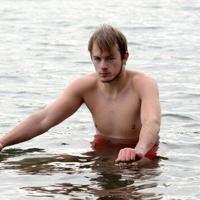
On the banks of the Welland Recreational Canal, Alex Ossa pulled two ice-filled cups from his backpack and drank them back. The 22-year-old then stripped down to a pair of shorts and sandals and prepared to enter the near-freezing water off Thorold Road in Welland.
Ossa says he is not crazy, though his mother and stepfather disagree. He slowly worked his way to waist-deep water before taking numerous deep breaths and submerging himself neck-deep. A friend onshore started a stopwatch on a cellphone, making sure Ossa stayed in the water no longer than two minutes. Another friend used a small drone to capture the action.
Before setting foot in the water, Ossa measured the temperature with an infrared thermometer. He spoke about why he was taking the chilly dip. 'I started getting into this because in the past I had some health and fatigue issues,' he said.
The 'this' Ossa referred to is cold therapy or cold thermogenesis, a practice that uses cold water immersion to address various health issues. 'I was always into working out and fitness. I stumbled on this method. I like to explore new ideas,' said Ossa.
From Face Dunks to an Ice Bath
Ossa found research done by a neurosurgeon who set out a protocol for cold water immersion. 'I decided to give it a shot to see how it works for me,' he said. He started in July by dunking his face in a sink full of cold water. Then he dunked his face in 10 C water every other night for a month. 'And then I felt like I was ready to do an actual ice bath.'
Ossa bought a horse trough and filled it with cold water and large ice chunks. 'It was really hard for me at first, but the more I did it the easier it became over time.' Before his dip in the canal, 6 C was the lowest temperature Ossa had reached. He could sit at that temperature for at least 15 minutes.
With the repeated dunking, Ossa noticed he had more energy, felt healthier and started to lose fat with little to no exercise. He said it has also helped him sleep better. On this day, he said he planned to be in the recreational canal for two to three minutes at most.
'I care about my safety, I am not planning to swim. The biggest risk at this temperature is cold shock. I would not just jump in,' he said. He added a disclaimer that people should not just go out and try cold thermogenesis. 'You do have to be careful.' Although advising people they should consult their family doctor first before trying, Ossa said he had not spoken with his before carrying out his research. He added, 'It is good for my well-being and is very therapeutic.'
After getting out of the water, he was in for just more than two minutes, Ossa said everything in his body was telling him to get out. 'Your survival instincts kick in. My arms and legs were a bit numb. My hands were stinging a bit,' he said, adding it was nevertheless a big rush.
What Cold Water Does to the Body
Stephen Cheung, a professor in Brock University's kinesiology department, said cold therapy or cold thermogenesis, in his opinion, is more of a psychological benefit than anything else. 'I do not believe it has any major long-term health benefits,' he said.
Cheung said when a person goes into cold water their skin temperature drops rapidly, eliciting a cold shock response. 'Your body responds with a very strong flight or fight response. You will hyperventilate and breathe more rapidly.' A person's resting heart rate can climb anywhere up to 140 to 150 beats per minute, which could be dangerous for those with heart issues.
He said if a person is in cold water for just a few minutes there will not be a significant drop in body temperature. The longer they are in the water, however, their core temperature could drop, and hypothermia can set in. Being in the cold water for a few minutes can be a 'real wake-up and leave you in a highly-stressed state for a few minutes,' said Cheung.
Cold Thermogenesis in Context
Cold water immersion is not new. Cultures around the world have used cold baths, winter swimming and icy plunges for centuries. In Northern Europe and Russia, banya and sauna traditions often pair intense heat with a roll in the snow or a plunge into a frozen lake. In Japan, misogi involves standing under a cold waterfall or entering the ocean for purification. In modern wellness circles, cold therapy has gained a following through athletes, biohackers and advocates such as Wim Hof, who popularized breathing techniques and cold exposure.
Some researchers have studied cold water immersion for recovery after exercise, mood and stress resilience. Cold water can trigger the release of norepinephrine, a neurotransmitter and hormone that can increase alertness, focus and energy. It can also activate brown adipose tissue, a type of fat that burns calories to produce heat. That mechanism is one reason some people claim cold exposure helps with fat loss. However, the evidence is mixed, and the effect is generally modest compared with diet and exercise.
Cold water also activates the mammalian dive reflex, especially when the face is submerged. This reflex slows the heart rate and redirects blood flow to vital organs. It is why some people begin with face dunks before attempting full-body immersion. Ossa followed a similar progression, starting with cold sink water, moving to 10 C face dunks, then an ice-filled horse trough and finally the canal.
But the same reflex and cold shock response can be dangerous. The first minute of cold water immersion is often the most risky. Gasping, hyperventilation and a racing heart can lead to panic, aspiration of water or cardiac events in vulnerable people. Cold shock can also cause a sudden increase in blood pressure. People with heart conditions, high blood pressure or other cardiovascular concerns are usually advised to speak with a doctor before trying cold water immersion.
Safety Lessons from Cold Water Swimmers
Experienced cold water swimmers often follow strict safety rules. They enter gradually, never alone and keep sessions short. They avoid jumping or diving into cold water because the shock can trigger an involuntary gasp. They wear appropriate footwear to protect against cuts and slips. They monitor the time and have a warm, dry change of clothes waiting. Some use a buddy system, and some carry a phone in a waterproof case. Ossa's friends timed him and used a drone to watch from shore, a setup that reflects the need for supervision.
Another risk is afterdrop. After leaving cold water, the body can continue to cool as cold blood from the limbs returns to the core. This can cause a further drop in core temperature and lead to shivering, confusion or hypothermia even after the person is out of the water. Warm layers, a hat and a warm drink can help. Alcohol should be avoided because it can impair judgment and increase heat loss.
For people who want to try cold exposure, experts often recommend starting with cold showers or face dunks. A gradual approach allows the body to adapt to the shock. The goal is not to endure as long as possible but to stay safe. Even strong advocates say cold water is not a substitute for medical care. If someone has a health condition, they should talk to a doctor first.
Why Some People Keep Doing It
Despite the warnings, many people report that cold water makes them feel alive and mentally sharper. The rush after a plunge can be intense. Ossa described numbness in his arms and legs, stinging hands and a strong survival instinct telling him to get out. Yet he also called it a big rush and said it was good for his well-being. That mix of discomfort and reward may explain why cold therapy persists.
Cheung's view is that the benefits are largely psychological. The cold shock response stresses the body, and the relief after exiting can improve mood. Some people feel more resilient, more focused or more confident after facing a difficult physical challenge. That does not mean the body is being healed in a lasting way, according to Cheung. He said he does not believe there are major long-term health benefits.
The debate is likely to continue. Cold water immersion is easy to try, inexpensive and visually dramatic. It also carries real risks. For Ossa, the practice is personal. He began because of health and fatigue issues, and he says it has helped him feel better. He also acknowledges that others should be careful and consult a doctor. On the day he entered the canal, he planned only a short dip. His friends watched. He measured the temperature. He knew the cold shock risk. And after just over two minutes, his body told him it was time to get out.
Source:St. Catharines Standard News