

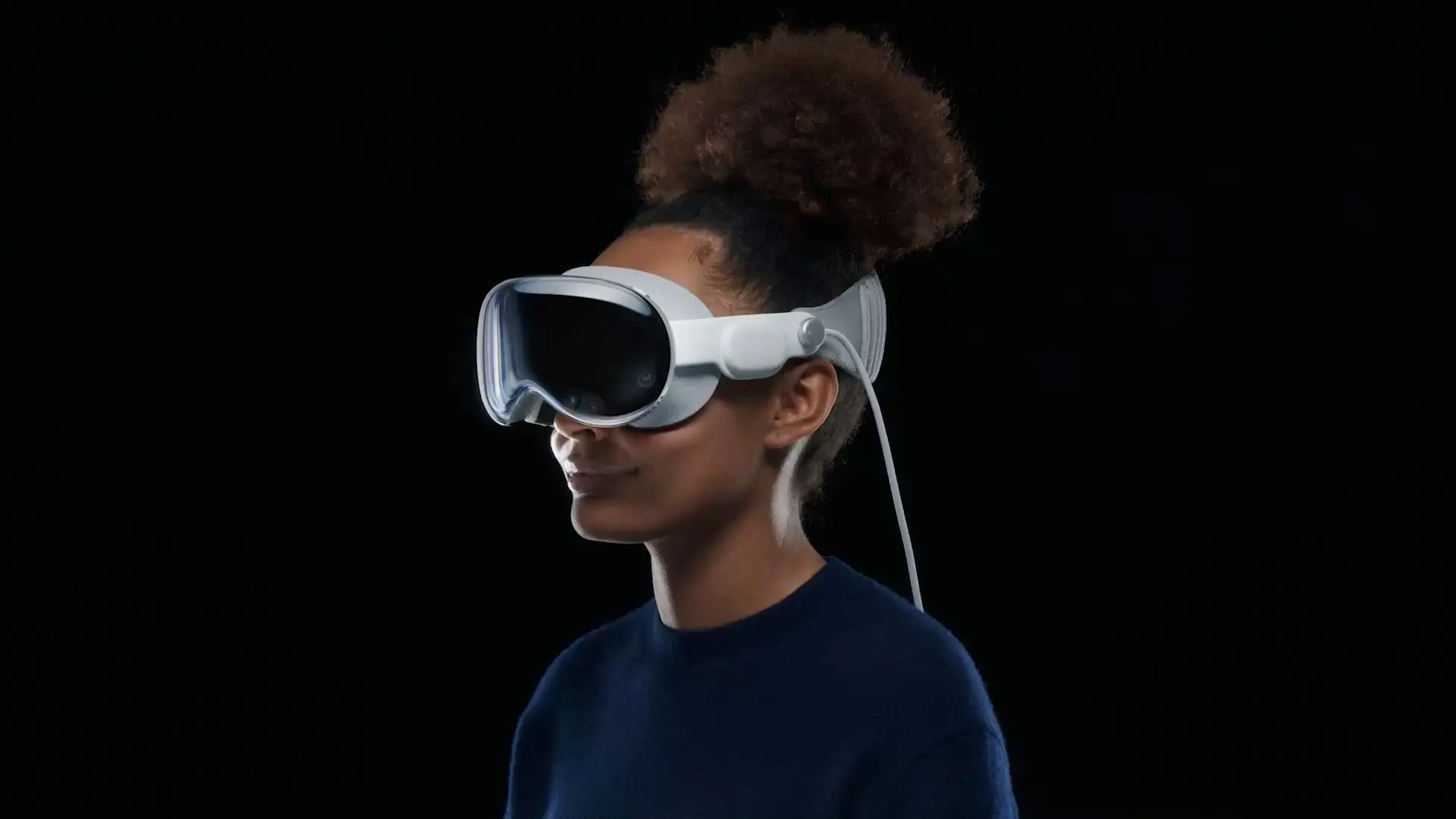
Overview: A Second Chance for Apple's Spatial Computer
Apple Vision Pro first launched in February 2024 as a bold entry into mixed reality. Priced at $3,500, it was praised for its engineering but criticized for weight, limited app ecosystem, and a single strap that caused fatigue. In October 2025, Apple released an updated model with the M5 chip, a redesigned Dual Knit Band, and better battery life. This rewrite reviews whether the improvements justify the high price and address the early adopters' complaints.
Design and Comfort: The Dual Knit Band Makes a Difference
The most noticeable physical change is the Dual Knit Band, which replaces the original Solo Knit Band. It features two 3D-knitted straps – one behind the head and one over the top – knitted as a single piece for breathability, cushioning, and stretch. The lower strap includes flexible fabric ribs with tungsten inserts that act as counterweights, distributing the headset's 1.3‑pound weight more evenly. Reviewers report significantly less face and neck strain during sessions longer than an hour. The headband comes in small, medium, and large sizes and is detachable. The M2 Vision Pro owners can purchase it separately for $99. The Light Seal remains magnetically attached and available in multiple sizes to block light and ensure a proper fit. Physical controls include a Digital Crown for adjusting immersion and a top button for capturing 3D spatial photos and videos. The external EyeSight display shows the wearer's eyes to indicate whether they are in augmented or virtual reality mode.
Display and Cameras: Sharper, Smoother Visuals
The Vision Pro uses two micro‑OLED displays with a combined 23 million pixels, delivering over 4K resolution per eye. The M5 chip's additional processing power allows the headset to render 10% more pixels, resulting in crisper text and more detailed graphics. The refresh rate has been increased to 120Hz, reducing motion blur when looking at physical surroundings and providing a smoother experience when using Mac Virtual Display (previously limited to 90Hz). The 12 cameras and five sensors include two high‑resolution cameras for passthrough, four infrared eye‑tracking cameras, and a LiDAR scanner for depth mapping. The eye‑tracking system enables precise navigation using just glances and finger taps. The external 3D camera captures spatial video and photos, with an indicator light to prevent secret recording. Zeiss optical inserts for prescription glasses are available for $149 ($99 for readers) and attach magnetically to the internal lenses.
Performance and Battery: M5 Chip Brings Pro-Level Speed
The M5 Vision Pro is powered by Apple's third‑generation 3‑nanometer chip, featuring a 10‑core CPU (six efficiency, four performance) and a 10‑core GPU with ray‑tracing and a 16‑core Neural Engine. Unified memory bandwidth reaches 153GB/s, enabling faster AI‑powered features like spatial scene creation and Persona generation. The dedicated R1 chip processes camera and sensor data within 12 milliseconds, providing virtually lag‑free passthrough. In real‑world use, apps load quicker, web browsing feels more responsive, and graphics in games and immersive content are smoother. Battery life has improved: the M5 Vision Pro runs up to 3 hours for video playback and up to 2.5 hours for general use (a half‑hour increase over the M2 model). The external battery pack connects via a braided cable and can be swapped for extended sessions. When plugged into a power adapter, the headset operates indefinitely.
Software and visionOS: The Operating System Evolves
visionOS remains the core interface, controlled by eye tracking, hand gestures, and voice. The latest version, visionOS 27, introduces a major Siri AI overhaul that uses generative models, allowing natural conversations, personal data retrieval, and in‑app actions. Siri appears as a floating 3D bubble that can be pinned anywhere. Other visionOS 27 features include Image Playground for generating images, an updated Safari with topic‑based bookmarks, a Passwords app that automatically upgrades weak passwords, and Dwell Control for eye‑based selection. The Mac Virtual Display mode now supports Wide and Ultrawide configurations (equivalent to two 4K monitors side by side). The headset also runs most iPhone and iPad apps, and the dedicated App Store includes over 600 spatial apps. Entertainment highlights include Apple TV+ with 150+ 3D titles, Apple Immersive Videos (180‑degree 8K), and support for streaming services like Disney+ and Apple Arcade games with Bluetooth controllers. FaceTime uses a digital Persona that mirrors the user's face and hand movements in real time.
Should You Buy the Apple Vision Pro?
With the M5 chip and improved comfort, the Vision Pro is now a more compelling purchase, but its $3,500 price tag remains prohibitive. It excels at movie watching, 3D content, and serving as a private Mac display. However, the app library is still limited compared to traditional desktops, and the headset demands careful research and an in‑store try‑on. Apple has paused development on a next‑generation model, meaning the M5 version will likely be the only option for at least two years. For those who can afford it and have a clear use case – immersive media consumption, virtual collaboration, or creative work – the Vision Pro offers an unmatched spatial computing experience. But casual buyers should wait for cheaper, lighter alternatives rumored for future years.
Source: MacRumors News