

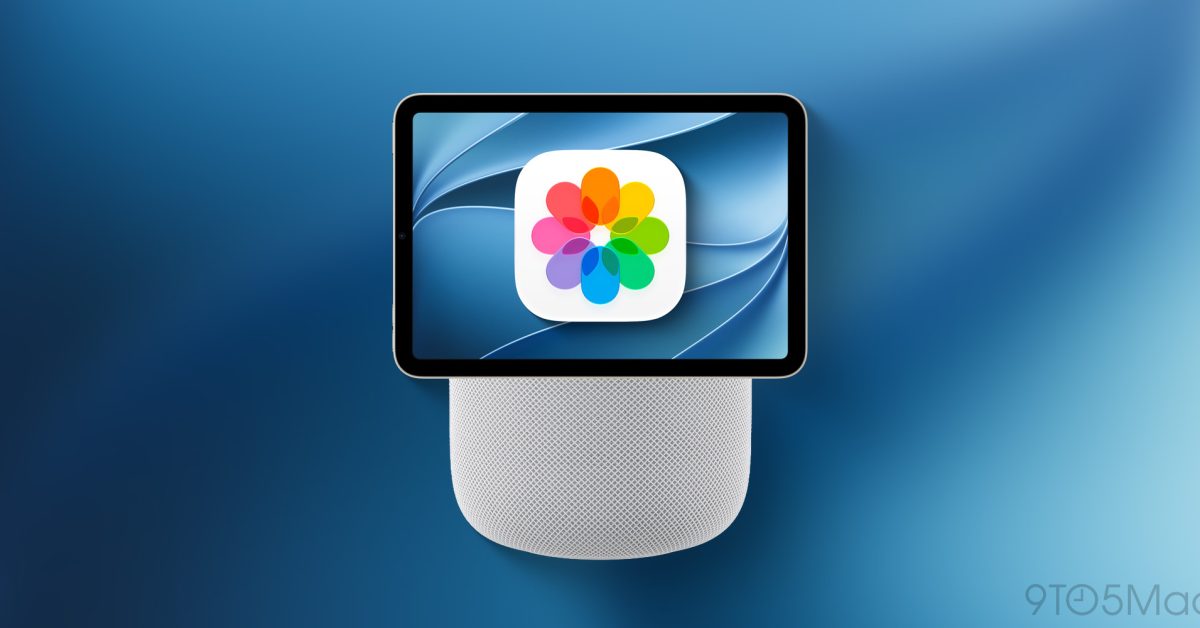
Apple is preparing to introduce a new smart home hub called the HomeView, according to reports. The device is expected to be announced on October 13 as part of a broader Welcome home event experience. While the official unveiling is set for Tuesday, the hardware may not reach customers until the middle of November. The HomeView will reportedly arrive in four colors when configured with a speaker base: space gray, silver, starlight, and pink. A wall-mountable version with a square base will be offered only in monochrome silver or space gray.
The product marks Apple's most ambitious attempt yet to create a central control point for the connected home. It would sit alongside the existing HomePod family of smart speakers, extending Apple's reach from audio and voice assistants into the visual and ambient computing space. Reports describe an iMac G4-inspired design, with a floating display positioned above a speaker base. That comparison is significant because the iMac G4 is remembered for its adjustable arm and dome-shaped base, a look that prioritized approachability and screen positioning. A home hub with a similar floating screen could be angled toward a kitchen counter, a bedside table, or a living room couch, making it easier to view information from across a room.
A New Category for Apple's Smart Home Push
Apple has been involved in the smart home market for years through HomeKit, the Home app, and HomePod speakers. Yet the company has never released a dedicated smart display. Competitors such as Amazon and Google have built substantial businesses around screen-equipped speakers and routers, while Apple has largely focused on privacy, local processing, and tight integration with iPhone, iPad, Mac, and Apple Watch. The HomeView would change that by giving Siri a permanent visual home.
According to reports, the HomeView will be powered by an A18 chip. That is a notable detail. The A18 is a modern Apple silicon design, capable of handling on-device machine learning, high-quality graphics, and responsive multitasking. Putting that class of chip inside a home hub suggests Apple wants the device to run advanced Siri features, visual interfaces, and perhaps Apple Intelligence capabilities without relying entirely on the cloud. A powerful chip could also future-proof the hub for years of software updates, new home automation standards, and more sophisticated ambient computing features.
Design, Colors, and Mounting Options
The reported design language is a blend of nostalgia and modern utility. The speaker-base model is said to resemble the iMac G4, with a display that appears to float above a rounded speaker housing. That form factor could make the HomeView feel less like a traditional smart display and more like a piece of furniture or a countertop appliance. Apple is reportedly planning four color options for this version: space gray, silver, starlight, and pink. Those choices align with the muted, pastel-adjacent palette Apple has used across recent iPhones, iPads, and HomePod mini speakers.
A second version will reportedly be wall-mountable and use a square base. That variant will be limited to monochrome silver or space gray, suggesting Apple sees it as a more permanent, architectural installation. A wall-mounted home hub could serve as a control panel for lighting, thermostats, locks, cameras, and scenes. It could also act as an intercom, a doorbell viewer, or a family calendar. The square base may help it sit flush against a wall while still housing speakers, microphones, and wireless radios.
Voice-First Interface With Siri AI
The HomeView is expected to rely primarily on voice as the input method. Siri AI would be the centerpiece of the experience, with users viewing content from across the room rather than holding or touching the device. That approach matches the hands-free nature of a kitchen or living room hub. A person could ask for weather, timers, music, reminders, home controls, or video feeds without walking over to a screen. The display would then show relevant information, glanceable widgets, or visual feedback.
Reports indicate the device will run Apple apps and will not have an App Store. That is a crucial strategic choice. Instead of opening the platform to a flood of downloadable apps, Apple appears to be positioning the HomeView as a curated, appliance-like device. Users might still be able to project third-party app widgets from a nearby iPhone, which would let developers reach the big screen without building a separate app store ecosystem. This could preserve security and simplicity while still offering some flexibility.
If the HomeView runs Apple apps, users can expect familiar experiences such as Music, Podcasts, Calendar, Reminders, Home, Weather, Notes, and perhaps FaceTime or Messages in some form. The absence of an App Store may frustrate some power users, but it could also prevent the device from becoming a cluttered tablet on a stand. Apple has long argued that focused experiences often beat open-ended ones, especially in the home.
Launch Timing and Related Hardware
The announcement is expected on October 13 as part of Apple's Welcome home event experience. The timing suggests the company wants to frame the HomeView as the start of a broader smart home initiative rather than a standalone product. Reports say the device will probably not be released until the middle of November, giving Apple several weeks to market the hub, prepare retail displays, and seed review units.
Alongside the HomeView, Apple is reportedly preparing hardware refreshes for the Apple TV set-top box and the HomePod mini. Those updates would make sense. Apple TV is already a hub for HomeKit and Matter in many homes, and the HomePod mini is a low-cost way to add Siri and Thread border router capabilities to different rooms. A refreshed HomePod mini could improve audio, wireless performance, or smart home radios. A refreshed Apple TV could bring a faster chip, better gaming performance, and stronger integration with the HomeView.
Apple has also partnered with appliance makers such as LG to prepare a range of smart home accessories meant to work well together. That list reportedly includes smart thermostats, door locks, and doorbells. If true, Apple is moving beyond software protocols and into a more curated accessory ecosystem. The company has supported HomeKit and Matter for years, but first-party or co-developed accessories could make the setup process more reliable and the experience more cohesive.
Why the Smart Home Hub Matters
The smart home market has matured unevenly. Many consumers own smart speakers, smart bulbs, smart plugs, and video doorbells, but controlling them across multiple apps remains frustrating. Matter and Thread were created to solve fragmentation, and Apple has been a major backer of both. A dedicated HomeView hub could give Apple a way to showcase how well those standards work when paired with Apple silicon, Siri, and the Home app.
Privacy is likely to be a major selling point. Apple has consistently emphasized on-device processing, encrypted home data, and camera privacy. A home hub with an A18 chip could handle more voice recognition and automation locally, reducing the amount of data sent to servers. For households concerned about always-listening devices, that could be a meaningful differentiator against rival smart displays.
The A18 chip may also support advanced Apple Intelligence features. A home hub could summarize notifications, recognize visitors, suggest automations, or understand more natural voice requests. Siri has been criticized for lagging behind other assistants, but a new device with a modern chip and a visual interface could give Apple a fresh start. The HomeView would not just be a speaker with a screen; it could be an always-available AI assistant for the home.
Competitive Landscape and Challenges
Apple will enter a category with established rivals. Amazon's Echo Show devices are deeply integrated with Alexa and a vast ecosystem of services. Google's Nest Hub line benefits from Google Assistant and YouTube. Both competitors have had years to refine their hardware and software. Apple's advantage lies in its ecosystem: iPhone, Apple Watch, AirPods, Apple TV, HomePod, and Mac all work together. A HomeView could become the missing screen in that ecosystem, tying together communications, entertainment, and home control.
There are challenges. The HomeView will need a compelling price, especially if it is positioned as a premium Apple product. It will need Siri to perform reliably for basic tasks. It will need to support enough third-party accessories and services to be useful beyond Apple's own apps. And it will need to convince users who already own an iPad, an Apple TV, or a HomePod that they need another screen in the home.
Pricing has not been reported. Display size, resolution, speaker quality, camera capabilities, and microphone array details also remain unknown. Those specifics will determine whether the HomeView feels like a luxury accessory or a practical household tool. The wall-mountable model could appeal to builders, hotels, and smart apartment developers, while the speaker-base model may target kitchens, bedrooms, and living rooms.
What to Expect at Announcement
Apple is set to officially announce its new smart home initiative on Tuesday. The HomeView is expected to be the headline product, with the Apple TV and HomePod mini refreshes filling out the hardware story. The company may also outline new HomeKit features, Matter support, and accessory partnerships. If the reports are accurate, the HomeView will ship in November with an A18 chip, four color options for the speaker-base model, and a wall-mountable variant in silver or space gray.
The event could also clarify how Apple plans to blend Siri AI, Apple Intelligence, and the Home app into a single ambient computing platform. For users who have wanted a first-party Apple smart display, the HomeView may finally deliver it. For the smart home industry, it signals that Apple is ready to compete more directly for the center of the connected home.
Source:9to5Mac News