

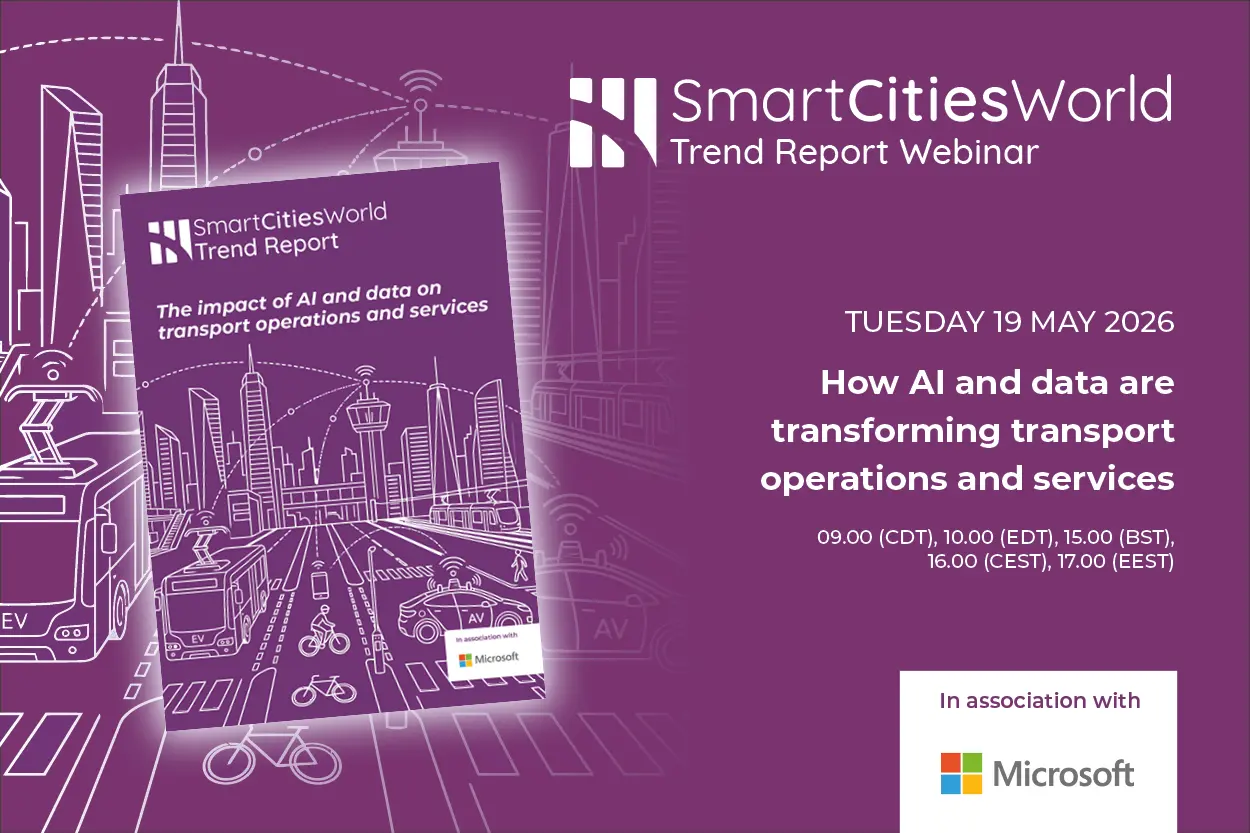
Artificial intelligence and data are rapidly reshaping urban transport operations and services, offering cities unprecedented opportunities to enhance sustainability, resilience, and operational performance. From intelligent traffic management to predictive maintenance of infrastructure, the integration of AI with connected urban systems is driving a new era of smart city development. This transformation, however, is not without its challenges. As transport agencies worldwide turn to AI to improve services, the greatest opportunities will depend on strong data foundations, workforce readiness, and responsible governance, according to Microsoft's Katherine Flesh.
The Role of AI and Connected Infrastructure
Modern cities are increasingly adopting AI and data-driven approaches to manage their transport networks. By leveraging building data, sensor networks, and real-time analytics, urban planners can optimize traffic flow, reduce congestion, and lower emissions. Connected urban infrastructure, including smart traffic lights and intelligent streetlights, forms the backbone of these efforts. In the second episode of the Cities Thriving on Lighting series, experts discuss how cities can transform existing streetlight networks into secure, interoperable, and future-proof infrastructure. Smart lighting not only reduces energy consumption but also serves as a platform for environmental sensors, Wi-Fi hotspots, and public safety tools.
Strategic Procurement as a Tool for Resilience
Sam Markey, founder of Recurve, argues that strategic procurement is one of the most underused tools for building urban resilience, local capacity, and long-term climate impact. Instead of simply buying off-the-shelf solutions, cities can use procurement to drive innovation, support local businesses, and achieve sustainability goals. By embedding climate and equity criteria into contracts, municipalities can ensure that investments in technology and infrastructure deliver multiple benefits. This approach aligns with the broader shift toward outcome-based procurement, where performance metrics rather than upfront costs determine success.
Case Study: Kansas City Streetcar Authority
Tom Gerend, executive director of the Kansas City Streetcar Authority, explains how the return of rail has reconnected downtown, unlocked riverfront development, and reshaped the city's growth story. The modern streetcar system, powered by data analytics and real-time passenger information, has catalyzed billions of dollars in private investment along its route. Ridership exceeds expectations, and the system serves as a model for how public transport can drive economic revitalization. The streetcar's success demonstrates the power of integrating AI and data to optimize scheduling, maintenance, and passenger experience.
Sunderland's Smart City Transformation
Sunderland is repositioning itself as a leading smart city by using digital infrastructure and low-carbon innovation to build a resilient, future-focused economy. The city's Smart City Programme includes a digital twin project that creates a virtual replica of urban assets, enabling real-time simulation and decision-making. This technology helps Sunderland optimise energy use, reduce waste, and plan for future growth. The city's partnership with industry and academia has accelerated the deployment of IoT sensors and AI platforms, generating valuable data that informs everything from traffic management to waste collection. Sunderland's experience offers a blueprint for other medium-sized cities aiming to leapfrog into the digital age.
Dublin's Innovations for Community Services
Dublin is innovating to improve experiences and services for its communities through digital twin projects, traffic reduction initiatives, and economic growth strategies. The city's digital twin platform models transport flows, air quality, and energy consumption, helping policymakers test scenarios before implementing changes. Traffic reduction measures such as congestion pricing and smart parking have cut emissions and improved travel times. Dublin also uses data to enhance public services, from real-time bus tracking to digital citizen engagement tools. These efforts are part of a broader vision to make Dublin a more liveable, sustainable, and inclusive city.
Digital Twins and AI in Infrastructure Management
An on-demand trend report panel discussion titled "Operating smarter: using digital twins and AI to reshape urban infrastructure management" delves into how these technologies are revolutionizing city operations. Digital twins allow cities to create a living digital model of physical assets, enabling predictive maintenance, scenario planning, and cost savings. AI algorithms can analyze vast amounts of sensor data to detect anomalies, forecast failures, and automate responses. Together, they help cities move from reactive to proactive management, improving service reliability and reducing operational costs. The panel also highlighted the importance of data interoperability and cybersecurity, as the proliferation of connected devices increases the attack surface for potential threats.
Preparing for AI: The Data Groundwork
An on-demand webinar with Sunderland titled "Preparing for AI - understanding the data groundwork" emphasizes that successful AI implementation depends on robust data foundations. Cities must first assess their data quality, accessibility, and governance before deploying AI solutions. Sunderland's approach includes creating a city-wide data platform that aggregates information from multiple departments, standardises formats, and enforces privacy protections. This data infrastructure enables AI applications ranging from energy optimization to social service delivery. The webinar also discusses the need for workforce readiness, as city employees require training to work with data and AI tools effectively.
Cybersecurity Risks in Smart Lighting
The final episode of Cities Thriving on Lighting explores how global cities are approaching smart lighting and the related cybersecurity risks. As streetlights become connected nodes on the IoT network, they can be vulnerable to hacking, data breaches, and service disruptions. Securing these systems requires encryption, regular firmware updates, and network segmentation. Cities must also consider privacy implications, as smart lighting often includes cameras and sensors that collect personal data. The episode provides guidance on developing a comprehensive cybersecurity strategy that balances innovation with risk management.
Ecomondo and the SmartCitiesWorld Summit
Ecomondo, a leading European trade fair for green technology, discusses the priorities shaping healthier, more sustainable cities. The organisation explains why the SmartCitiesWorld Summit offers a valuable platform for sharing practical solutions and building new connections. The summit brings together city leaders, technology providers, and researchers to exchange best practices and identify scalable innovations. Topics at the summit align with the themes covered in this article: AI, data, digital twins, smart lighting, and strategic procurement. The collaborative environment accelerates the adoption of technologies that can transform urban services.
As cities continue to embrace AI and data-driven approaches, the lessons from Kansas City, Sunderland, Dublin, and others provide a roadmap for success. The key is to build strong foundations—data governance, workforce skills, and strategic partnerships—while remaining vigilant about cybersecurity and equity. The transformation of transport and urban services is underway, and the potential for positive impact is immense.
Source:Smart Cities World News