

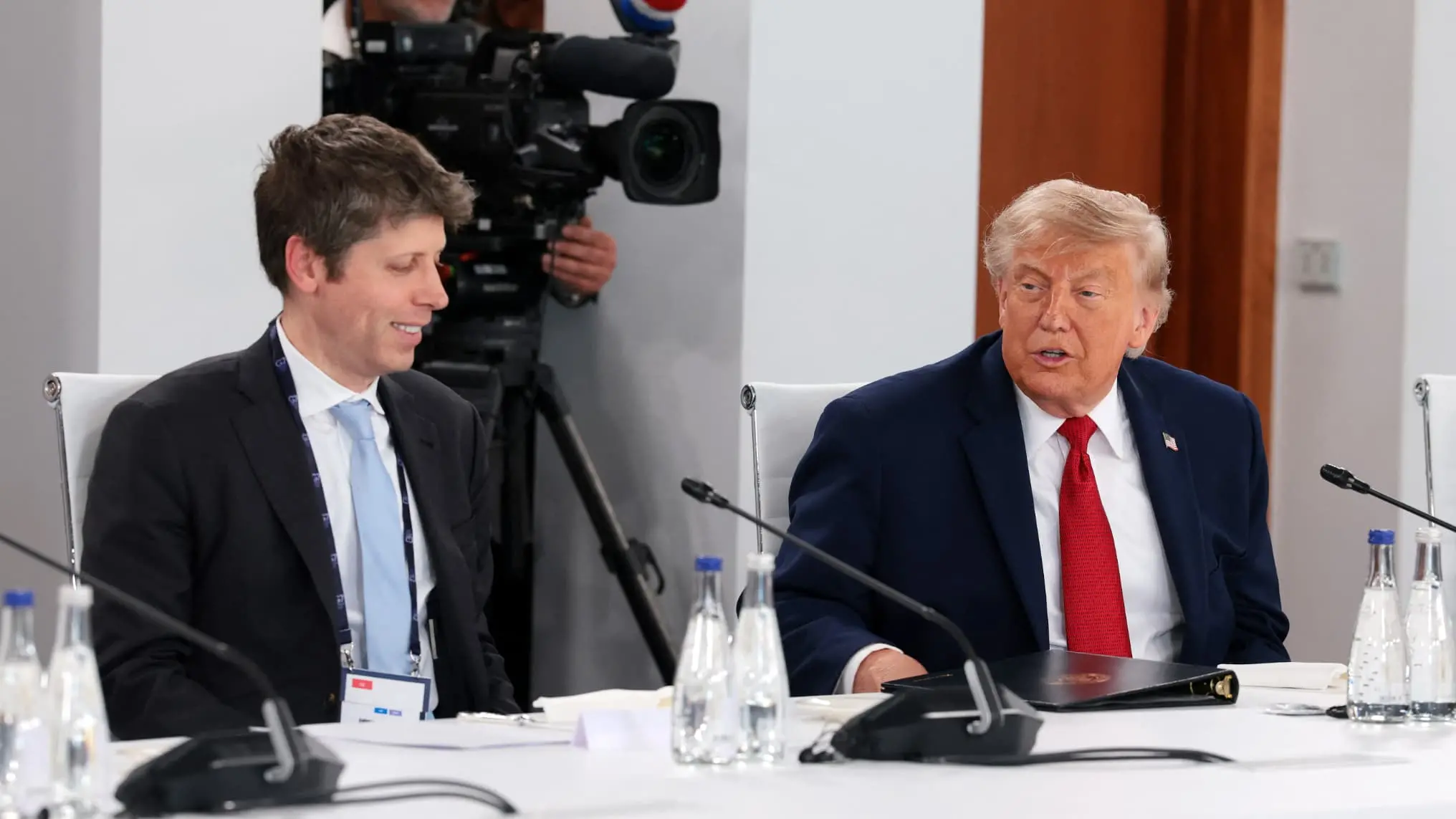
OpenAI, the artificial intelligence powerhouse behind ChatGPT, is reportedly exploring a groundbreaking proposal to cede 5% of its equity to the United States government. According to financial sources, this stake—valued at approximately $42.6 billion based on OpenAI's $852 billion valuation—would be offered to the Trump administration in an effort to smooth over increasingly strained relations between the tech sector and Washington.
Sam Altman, OpenAI's CEO, has been leading the initiative. The Financial Times revealed on Wednesday that Altman has already held preliminary discussions with the White House, arguing that sharing financial interests could be the most effective way to ensure collaboration rather than conflict. Altman's reasoning is straightforward: by giving the government a direct stake in the company's success, both parties would have aligned incentives, reducing the risk of punitive regulations or antitrust actions.
The Political Context: A Relationship Under Strain
For months, the relationship between the Trump administration and major AI companies has deteriorated. While the president initially championed innovation and deregulation, growing concerns about AI's impact on employment, national security, and ethical boundaries have shifted the political winds. In June, U.S. authorities delayed the release of the latest models from both OpenAI and Anthropic, citing unresolved security flaws. This move was seen as a direct warning shot, and it was followed by calls from Trump's own advisors for stricter oversight of the sector.
These tensions have not been limited to Washington. Multiple data center construction projects have faced local opposition, with communities worried about environmental impact and energy consumption. The proposed expansion of AI infrastructure has become a flashpoint, and companies like OpenAI are scrambling to find a more cooperative path.
The Intel Precedent
Altman's proposal is not without historical precedent. In a strategic move during Trump's first term, Intel Corporation sold a 10% stake to the U.S. government. That decision effectively neutralized critical rhetoric from the White House. After months of public attacks on Intel's CEO, Trump suddenly became a vocal supporter of the company, praising it as a pillar of American technology. The Intel deal demonstrated that government equity could buy not just peace, but active support.
Observers note that the Intel arrangement was facilitated by the administration's desire to secure domestic semiconductor production. In the case of AI, the stakes are even higher. The technology is widely seen as the next frontier of economic and military power, and the U.S. government is keen to maintain its competitive edge against China. By taking a stake in OpenAI, Washington could exert influence over the direction of AI development while also benefiting from its financial upside.
A Sovereign Wealth Fund for AI
Beyond the immediate political concerns, Altman has proposed a more ambitious vision: the creation of a sovereign wealth fund specifically for AI companies. Modeled after the Alaska Permanent Fund, which distributes oil revenues to state residents, this fund would pool equity contributions from multiple tech giants—Google, Meta, Anthropic, and others—and redistribute profits to the American public. Altman has been advocating for this idea since April, arguing that it would democratize the gains from AI and ensure broad societal buy-in.
However, it remains uncertain whether other companies will follow OpenAI's lead. Anthropic, which has been in open conflict with the administration over data privacy issues, has not signaled any willingness to give up equity. Google and Meta, already under antitrust scrutiny, may be reluctant to further entangle themselves with the government. Critics argue that such a fund could be co-opted by political interests, turning AI into a tool of state propaganda or corporate cronyism.
Financial and Strategic Implications
The proposed 5% stake would represent a massive transfer of wealth. At current valuation, $42.6 billion is more than the market capitalization of many Fortune 500 companies. Yet for OpenAI, which has raised billions in venture capital and is reportedly planning an IPO, the cost may be worth the stability. Altman has repeatedly stated that the company's goal is to ensure that artificial general intelligence benefits all of humanity, and government partnership could be a step in that direction.
From the government's perspective, acquiring a stake in OpenAI would be a tempting proposition. Not only would it generate direct financial returns, but it would also give the administration a seat at the table in decisions about AI safety, deployment, and regulation. Trump has previously described the idea as 'magnificent,' suggesting that Americans could become 'partners in this revolution.' The president's pivot from hostility to enthusiasm mirrors the earlier Intel episode.
Reactions from Industry and Investors
The news has stirred considerable debate among industry insiders. Some argue that OpenAI's move sets a dangerous precedent, blurring the lines between public and private sectors. Others see it as a pragmatic response to an increasingly hostile political environment. Venture capitalists are divided: while some worry about government interference in innovation, others note that sovereign wealth funds have successfully invested in technology companies in countries like Singapore and Norway.
Legal experts have also raised questions. The U.S. government is prohibited from owning equity in most private companies without specific statutory authority. Congress would need to pass legislation enabling such an investment, which could open a legislative minefield. Additionally, antitrust concerns could arise if the government takes a stake in several AI companies simultaneously, potentially creating conflicts of interest.
Despite these challenges, the rumored plan remains a live option. Altman is known for thinking big, and the OpenAI CEO has repeatedly demonstrated a willingness to challenge conventional boundaries. Whether this gambit will succeed depends on the administration's appetite for a deeper partnership and the willingness of other tech giants to join the initiative. As the AI race intensifies, the intersection of corporate strategy and government policy promises to be one of the most consequential stories of the decade.
Source:BFM BUSINESS News