

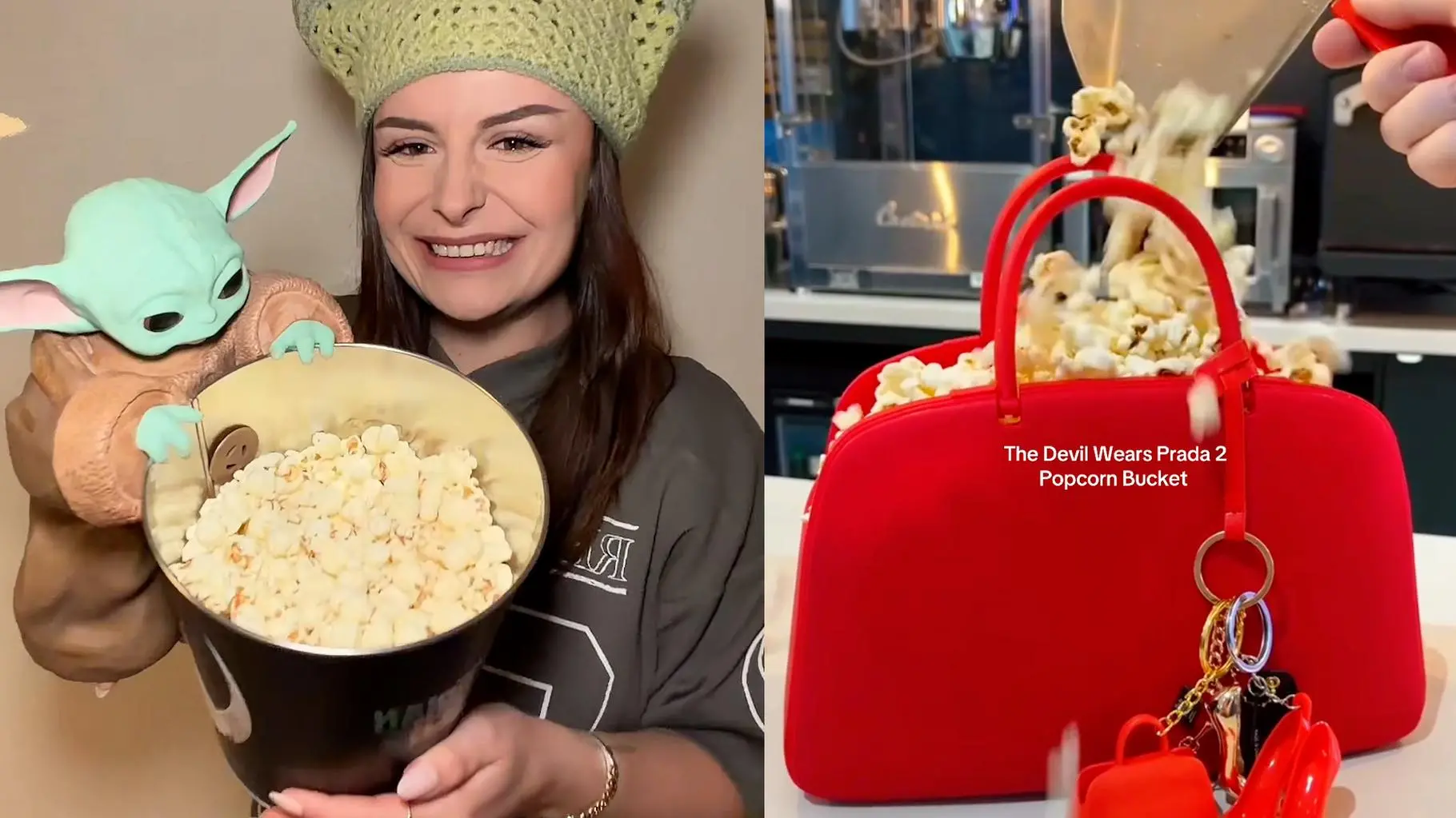
The humble popcorn bucket has undergone a remarkable transformation. No longer just a container for buttery snacks, it has become a coveted collector's item and a strategic marketing weapon for movie theaters. From a fuselage-shaped bucket for Toy Story 5 to a handbag design for The Devil Wears Prada 2, these creative containers are drawing audiences back into theaters after the pandemic slump.
The Rise of the Collector Bucket
The concept of promotional popcorn buckets has existed for decades, but 2024 marked a turning point. The bucket designed for Dune 2 in the United States sparked millions of reactions on social media, turning a simple snack holder into a viral sensation. Its unconventional shape, resembling a sandworm, ignited conversations and fueled demand. This success story proved that a popcorn bucket could be more than a novelty; it could drive engagement and excitement for a film before its release.
Giovanny Lallemand, marketing director for theatrical films at Walt Disney Company France, explains the shift: "We have evolved toward more immersive marketing. It's a perfect playground for us distributors, and we try to develop different types of activations that enrich the spectator's journey." He adds that the movie industry now operates in a new era: "People no longer go to the cinema just to watch a film. Today, they come to fully experience the emotion of a film. They extend the experience, and above all, these operations are designed to create conversation."
The buckets serve as a physical manifestation of a film's brand, allowing fans to take a piece of the movie home. They are often produced in limited quantities, making them rare and desirable. Some collectors buy them to complete a set, while others resell them online for exorbitant prices. For example, the Super Mario Galaxy Yoshi buckets created a frenzy, with fans lining up early and scalpers quickly listing them on auction sites.
Behind the Strategy: Which Films Get a Bucket?
Not every movie receives a collector bucket. The selection process is deliberate. Nathalie Grison, head of cinema distribution at Walt Disney Company France, explains: "We identify the strong cinema moments. Whether it's action or superhero films, we already see a desire for these films on paper. They are major markers throughout the year. Licensees and majors identify them, and they are inevitably the films with the most potential and highest objectives."
Thus, only blockbusters with a guaranteed fanbase—such as Marvel franchises, Disney animated films, or major sci-fi epics—are considered. The buckets are part of a broader trend called "experiential marketing," where studios create tangible, shareable experiences to complement the movie. This includes themed food and beverages, photo opportunities, and exclusive merchandise. The popcorn bucket is the most visible and shareable element.
The economic impact is indirect but significant. While the bucket sales do not directly boost ticket revenue, they generate organic marketing. Each photo posted on Instagram or TikTok is a free advertisement for the film. The buzz often starts weeks before the movie's release, building anticipation. For Dune 2, the bucket became a meme, which amplified awareness and curiosity.
A Limited Distribution in France
Despite the success in the United States, the phenomenon is still emerging in France. Distribution is more limited compared to American theaters. French cinemas often struggle with space and licensing agreements, meaning not all chains participate. The buckets are typically available only at select locations or in very small quantities. This scarcity increases their allure but also frustrates collectors who cannot find them.
Nevertheless, the trend is growing. Upcoming films like Dune 3 and future Avengers movies are expected to have their own collector buckets. As the market matures, French cinemas may expand their offerings to meet demand. The success of the buckets also signals a shift in how theaters view snack sales—not just as revenue but as marketing tools.
The Cultural Impact of Collectible Popcorn Buckets
The collector bucket taps into the human desire for nostalgia and ownership. For many fans, owning a piece of movie history is priceless. The buckets become conversation pieces, displayed on shelves or used as storage. Some fans go to extremes, camping outside theaters to secure one.
Social media platforms have amplified this phenomenon. Unboxing videos, reviews, and comparisons generate millions of views. Studios now design buckets with shareability in mind—vibrant colors, intricate details, and unique shapes that photograph well. The Dune 2 bucket, for instance, featured a moving part that mimicked the sandworm's mouth, making it a perfect subject for short video loops.
Critics argue that the buckets are overpriced and create unnecessary hype. Prices can reach $20 to $30 or more for a single bucket. Yet for studios, each bucket sold is a profit center, and the marketing value far exceeds the cost of production. The bucket also encourages impulse purchases of popcorn, boosting concession margins.
Historical Context: From Simple Tubs to High Design
Popcorn buckets have been a staple of movie theaters for over a century. Originally, they were plain paper bags or cardboard containers. In the 1980s, theaters began offering large plastic tubs that could be reused. The first promotional buckets appeared in the 1990s with tie-ins to popular movies like Jurassic Park and Star Wars. These were often simple designs with printed logos.
The modern collector bucket concept truly took off with Disney's promotion for Avengers: Endgame in 2019, which featured a gauntlet-shaped bucket. But it was the Dune 2 bucket in 2024 that broke the internet. Its success inspired studios to invest heavily in unique designs for every major release. Today, buckets are often designed by industrial designers and fans are treated to sneak peeks weeks in advance.
Technological advancements have allowed for more intricate designs. 3D printing and injection molding enable complex shapes that were previously too costly. Some buckets include LED lights, sound effects, or interactive elements. The Spider-Man: Across the Spider-Verse bucket featured a web-slinging mechanism, and the Avatar: The Way of Water bucket glowed in the dark.
Psychological Drivers: Why Fans Buy
The collector bucket satisfies several psychological needs. First, it offers a sense of exclusivity—owning something few others have. Second, it provides a tangible connection to a beloved film. Third, it allows fans to display their fandom publicly. The act of purchasing and sharing the bucket on social media also reinforces social bonds. Collectors often form communities online to trade or discuss their finds.
For theaters, the bucket is a way to differentiate themselves from streaming. A unique, physical object cannot be replicated at home. It adds value to the theatrical experience, making it feel special. The bucket also encourages repeat visits, as collectors may want to acquire all designs for a franchise.
Future of the Trend
As the trend matures, we may see collaborations with high-end designers or luxury brands. Already, some buckets are being sold as limited-edition art pieces. The secondary market is robust, with rare buckets fetching hundreds of dollars. Studios might also introduce subscription models or pre-order systems to manage demand.
Environmental concerns could arise due to plastic waste. Some studios are exploring biodegradable materials or reusable designs. Others are offering refill programs or making buckets part of a permanent collectible series. The key challenge will be balancing hype with sustainability.
For now, the collector popcorn bucket is a bright spot in the cinema industry's recovery. It reminds us that the magic of movies extends beyond the screen—into the aisles, the snack counter, and our homes. The next time you see a line forming at the concession stand, it might not be for popcorn but for a piece of movie history.
Source:Le HuffPost News